Our Story
We are called Bread & Roses because we believe life should be about more than just surviving — it should be about thriving.
As Rose Schneiderman, campaigning for women's suffrage wrote over 100 years ago…“What the woman who labours wants is the right to live, not simply exist - the right to life as the rich woman has the right to life, and the sun and music and art. You have nothing the humblest worker has not a right to have also. The worker must have bread but she must have roses too.”
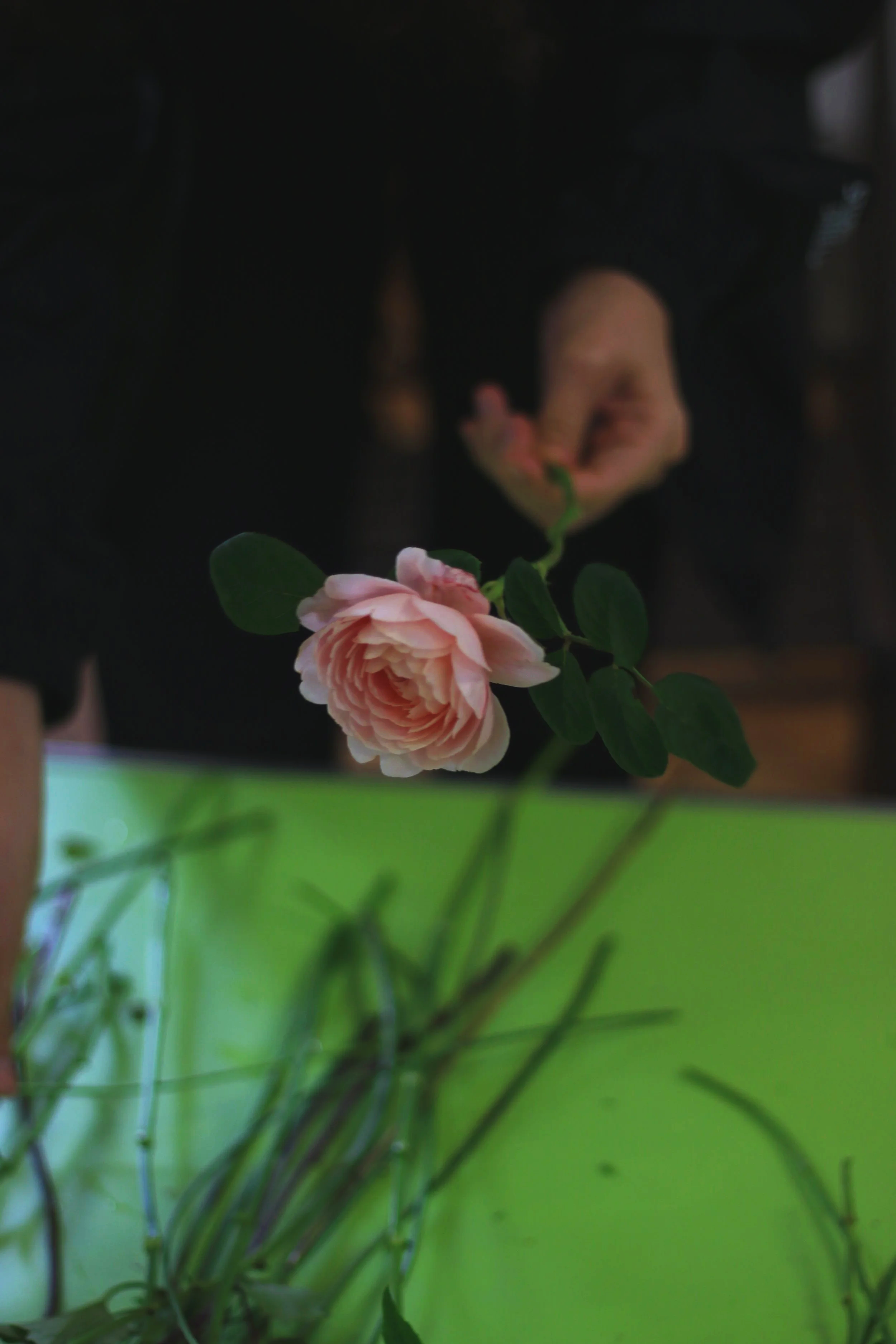
We decided to take these words literally in the creation of our programmes. Our aim is to create space for beauty, creativity, connection, and community where all women can flourish.
About
Every person forced to leave their home country and seek safety elsewhere faces the challenge of rebuilding their life somewhere new. The pathway to doing so will be different for each person - but for many people, it involves navigating an unfamiliar system in order to learn a new language, settle within a new community and generate a livelihood.
Women from refugee backgrounds face particular barriers to rebuilding their lives in the UK. They are less likely to have formal work experience than their male counterparts and often find it difficult to attend English classes due to childcare responsibilities. On top of this, many women rebuilding their lives in the UK are also coping with the trauma of having experienced sexual or gender-based violence.
Bread & Roses exists to support women to overcome these barriers.
What we do
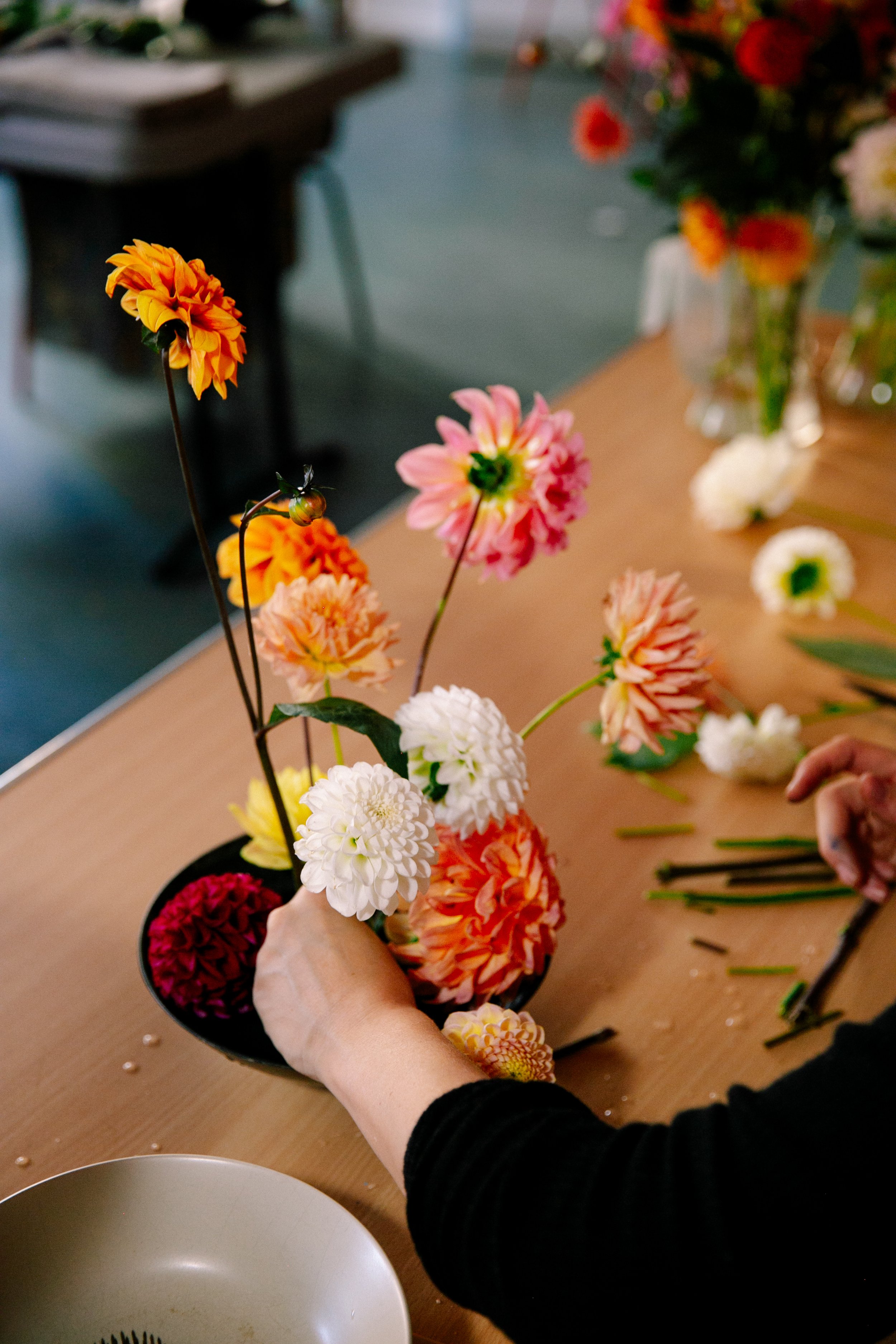
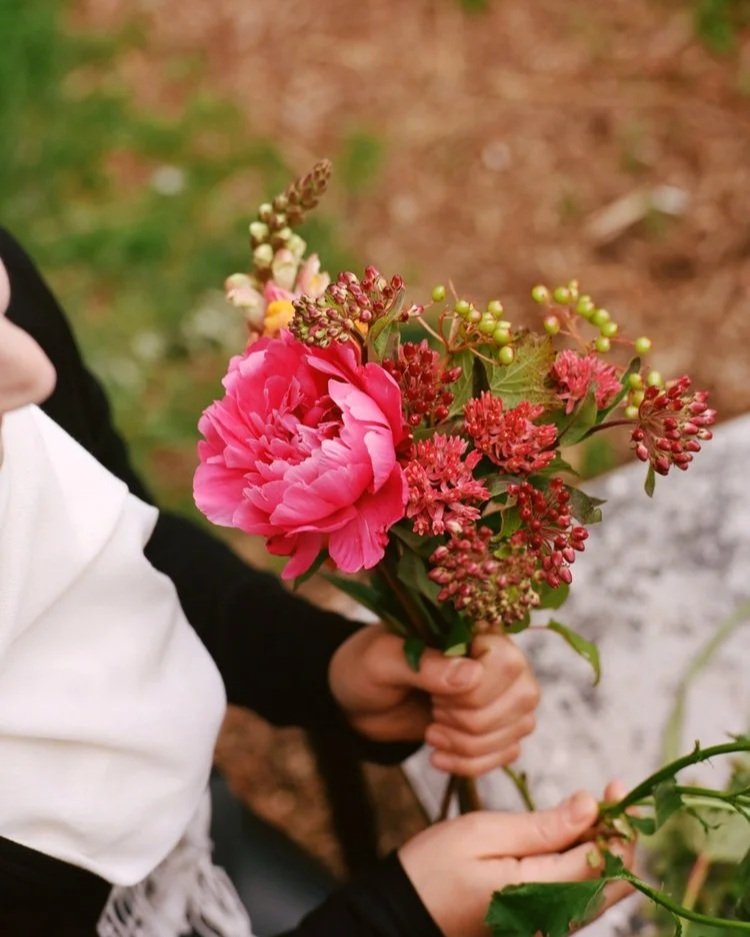
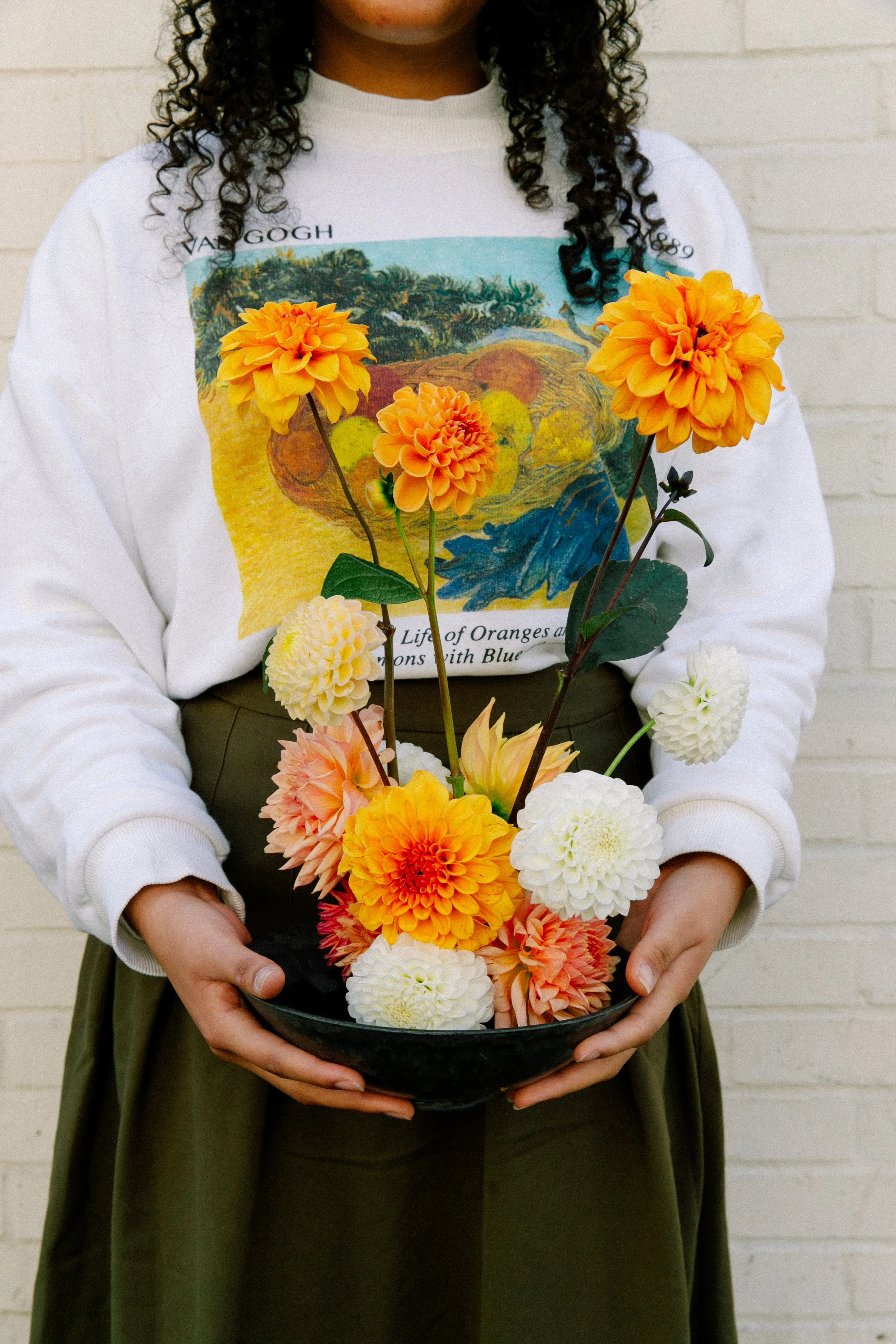
We run floristry training programmes that support women from refugee and asylum-seeking backgrounds to rebuild their lives in the UK.
Our programmes develop English skills, while creating space for confidence-building, creativity, wellbeing, and connection. Participants build new networks and experience the therapeutic benefits of working with flowers as they settle into life in the UK.
We support organisations who want to deliver one of our programmes in their local community.
Since launching in 2016, we’ve supported organisations to run Bread & Roses programmes in their local communities. Combining our proven model with local knowledge and networks. Our approach has been successfully replicated by sister organisations in Paris and Nantes, as well as through funded programmes in Glasgow, Bristol, and Swindon. You can read our FY20/21 impact report here and learn more about our programmes here.
We give people the chance to show their solidarity with the women we support by ordering our flowers and helping us fund our work
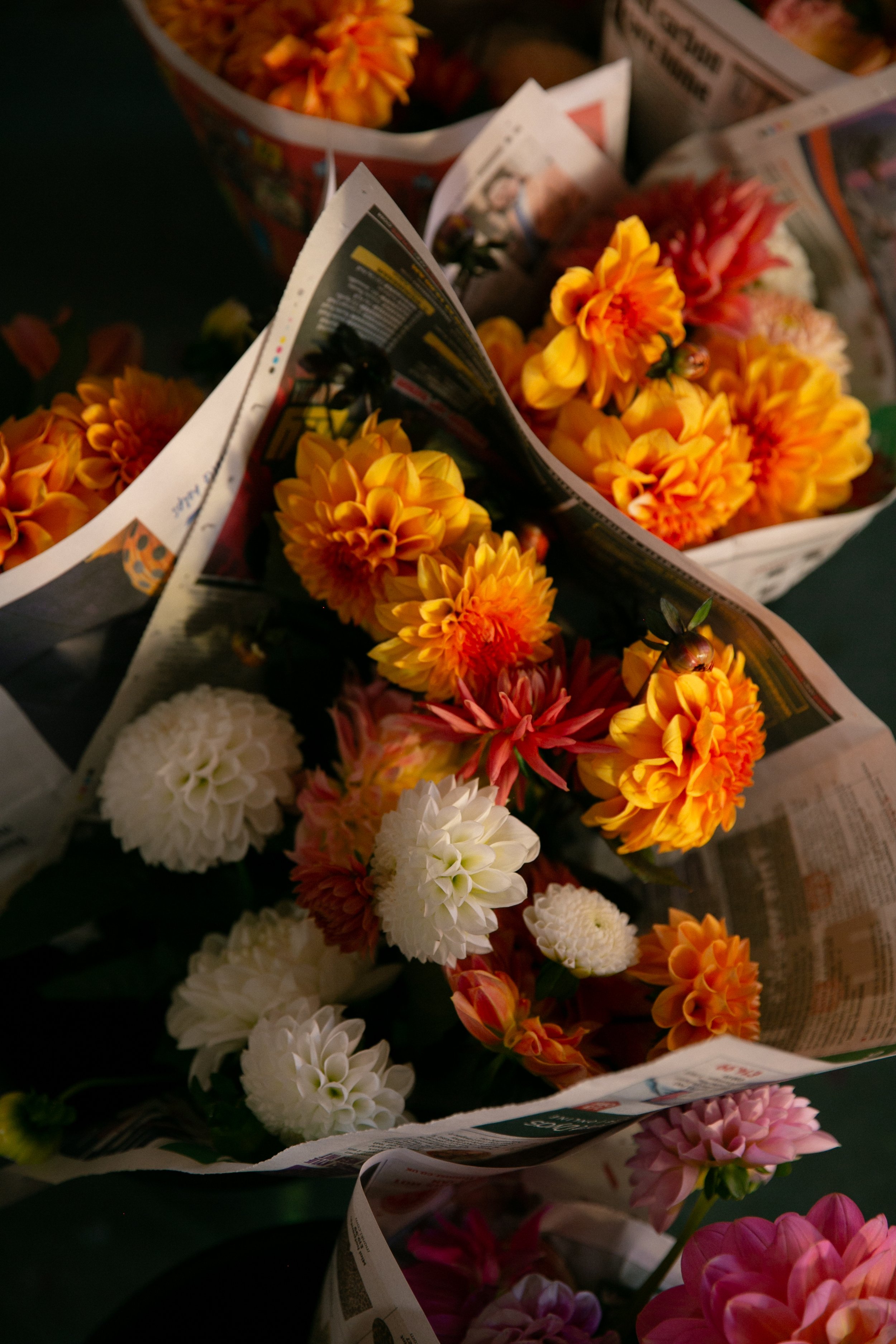
Every order helps fund our programmes. By choosing Bread & Roses, you’re supporting women to develop vital skills and rebuild their lives. We’re a sustainable florist, using only British-grown flowers—supporting local growers and reducing our environmental impact. You can check out our shop here.
Why we do it
Gendered impact of UK systems
Evidence shows that refugees with poor language skills are most at risk of exclusion. English classes are often difficult for women with childcare responsibilities to attend, as they do not offer a creche or are held at times that clash with the school run. Additionally, classes are often taught in a mixed gender setting, which can present another barrier to women participating.
Sexual and gender-based violence
According to the UN Refugee Agency, refugees and internally displaced people are among those most vulnerable to violence, including sexual and gender-based violence. Women and children are particularly at risk and often bear the greatest impact of these abuses. Many women rebuilding their lives in the UK are living with trauma from violence experienced in their home countries, during their journeys, or after arriving here.
Lack of employment experience
World Bank data shows that on virtually every global measure, women are more economically excluded than men: they are more likely than men to be engaged in low productivity activities, work more in informal employment, and transition more frequently between being in employment and out of the labour force. Many women from refugee backgrounds have therefore had restricted access to employment, limiting their ability to secure work in the UK’s competitive labour market.
How we provide support
Greater wellbeing
Offering participants the chance to learn floristry which has therapeutic benefits, in an environment that is safe, welcoming and inclusive of all women
Stronger communities
Facilitating participants to build networks and make friendships, helping them to settle into their local community
Improved English
Enabling participants with English as a second language to develop their language skills and confidence speaking
Increased access
Informing participants about local and national services for support in areas such as education, employment and housing
What our participants say
“I loved working with the plants, particularly calming lavender and stimulating eucalyptus. But I also learned social skills like networking, working as a team and not being afraid to ask for help. I was already interested in floristry, but I’ve never been green-fingered so I didn’t think I’d have the skills. Building my knowledge, and being prepared to make mistakes and learn from them, has made me realise that anything is possible if you put your mind to it and have the right support network around you.”
— N